

Article by: Somila Lehloesa
October 28, 2025
When the Covid 19 pandemic struck, the world focused on overburdened hospitals and fragile healthcare systems. Beneath that crisis lay another silent emergency the collapse of economies. Millions faced job losses, shrinking salaries, and a growing sense of uncertainty about the future.
As the world moved online, industries adapted. Businesses adopted hybrid models, remote jobs became the new normal, and classrooms gave way to laptops and mobile phones. In the midst of this digital shift, another trend quietly emerged. Few foresaw it but its effects continue to unfold across the continent with the rise of online gambling.
What began as a form of escapism during lockdowns has evolved into a multi-billion rand industry. The proliferation of digital betting platforms, combined with the growing accessibility of mobile money, has created a parallel digital economy that thrives on connectivity but often without the guardrails of regulation.

A Digital Boom Born of Desperation
Covid 19 reshaped the way people interact with risk and reward. Facing unemployment and uncertainty, many turned to online gambling not only for entertainment but as a perceived financial lifeline. The accessibility of online platforms operating around the clock and reachable from any smartphone blurred the line between casual play and dependency.
Industry estimates show that South Africa’s gambling sector now contributes 0.89 percent to the national GDP a striking figure that underscores both its economic potential and growing influence. The expansion of digital betting has been driven by convenience and technological progress but also by socio economic strain.
While land based casinos suffered major setbacks during the pandemic, the digital sphere boomed. Remote access, instant transactions, and an appetite for risk created the perfect storm for growth. The South African gambling landscape historically defined by brick and mortar casinos and regulated betting houses is now dominated by online operators many of which remain unregulated or fall outside existing legislative frameworks.
The Lag in Regulation
At the inaugural CEO Forum convened by the African Lotteries and Gaming Association ALGA, leaders from across the continent gathered to reflect on the future of gaming regulation and the need for harmonised standards. One of the forum’s key takeaways was the urgent call to address the staggered frameworks that currently govern online gambling in Africa and particularly South Africa’s regulatory lag.
ALGA’s CEO Mr Musa Mngadi emphasised the importance of innovation and adaptability noting how financial technology can inform gambling reform.
“Mobile money alone has revolutionised markets across the continent and offers lessons for countries like South Africa where adoption has lagged behind” said Mngadi.
His words point to a deeper truth technology is outpacing legislation. The shift toward online betting has not been matched by a shift in policy leaving regulators struggling to monitor, tax, and safeguard an industry that operates largely in the digital shadows.
The challenge is twofold ensuring fair play and protecting citizens. Without cohesive frameworks, governments risk losing significant revenue that could otherwise fund development initiatives. More critically, vulnerable players are left exposed to predatory practices, unchecked advertising, and the social harms associated with addiction and financial distress.
Ms Sebina Hlapolosa ALGA’s Board Chairperson captured this urgency succinctly during the forum.
“Growth without governance is a gamble we cannot afford to take. Without strong unified standards, unregulated platforms will erode trust, exploit players, and drain the very resources meant to uplift our nations” she said.
Her remarks reflect a central tension how to balance economic opportunity with ethical responsibility. The online gambling boom represents both a victory for digital innovation and a warning sign for social stability.
Economic Opportunity versus Social Responsibility
South Africa’s gambling boom is often hailed as a sign of resilience evidence that the country is finding new streams of economic activity in a changing world. Yet beneath the surface, there lies a pressing concern unregulated growth tends to reproduce inequality rather than resolve it.
When gambling revenue is not redistributed responsibly, the benefits concentrate among private operators while the costs addiction, debt, and social dislocation are borne by communities. The very people who contribute most to the industry’s profits often see the least return in tangible development.
This contradiction is especially stark in post pandemic South Africa where the promise of recovery coexists with widespread unemployment and poverty. For every new betting platform that launches, there is a family struggling with the economic aftermath of Covid 19.
It is within this context that ALGA’s mission becomes increasingly vital. By championing responsible governance and equitable redistribution, the organisation positions itself as both a regulator and a reformer ensuring that the gambling industry serves as a tool for social upliftment rather than exploitation.
Redistribution as Repair
The idea of redistribution in the gaming sector is not new, but it has never been more urgent. In a country where inequality remains one of the highest in the world, gaming revenue can be a powerful mechanism for repair funding schools, healthcare, infrastructure, and community programmes.
When managed responsibly, gambling revenue can contribute directly to social justice becoming a bridge between private profit and public good. Yet, this vision depends on strong institutional oversight and collaboration between regulators, operators, and policymakers.
ALGA’s advocacy for unified standards across the continent is rooted in this principle. The association believes that harmonised frameworks not only prevent regulatory arbitrage where companies exploit weaker jurisdictions but also create a foundation for shared prosperity.
“Every ticket sold, every wager placed, should contribute to progress not exploitation” said Ms Hlapolosa in a previous statement. “It should strengthen the communities from which that revenue comes”
This philosophy underscores the ethical imperative of redistribution gaming should be an ecosystem of mutual benefit where growth is measured not only by profits but by its capacity to address inequality.
Technology, Transparency, and Trust
Digital transformation has the potential to make regulation more efficient if paired with transparency. Technologies such as blockchain can enable real time tracking of betting transactions and revenue flows ensuring that funds earmarked for social causes reach their destinations.
ALGA’s CEO Mr Mngadi has highlighted the role of innovation in building accountability mechanisms. Drawing lessons from the fintech sector, he argues that the same tools that revolutionised banking could help create a more transparent and inclusive gaming ecosystem.
However, innovation must go hand in hand with education. Players must be aware of the risks associated with gambling and communities must understand their stake in the revenue it generates. Public awareness campaigns, community reinvestment initiatives, and educational programmes are critical to ensuring that the benefits of gambling extend beyond the betting slip.
Mobilising for a Regulated Future
The call to action is clear the gambling industry must not be allowed to outpace governance. The momentum of digital growth offers a unique opportunity for reform but only if stakeholders move collectively.
ALGA’s ongoing mobilisation efforts as discussed at the CEO Forum represent a step towards that future. By convening regulators, industry leaders, and policymakers under one roof, the association is creating a continental dialogue around the ethics of gaming, the economics of redistribution, and the importance of unified standards.
Regulation in this context is not about restriction it is about responsibility. It ensures that gaming contributes to national development goals, funds social programmes, and protects vulnerable citizens from harm.
Conclusion Turning Luck into Legacy
The rise of online gambling in the aftermath of Covid 19 tells a larger story about human behaviour in times of crisis our desire for control, hope, and opportunity. It also reveals the gaps in our systems where innovation advances faster than governance and where profit outpaces principle.
If the pandemic exposed our vulnerabilities, the post pandemic era offers a chance to rebuild with integrity. The gambling industry once seen merely as entertainment can become a pillar of inclusive growth if its revenues are channelled towards social upliftment.
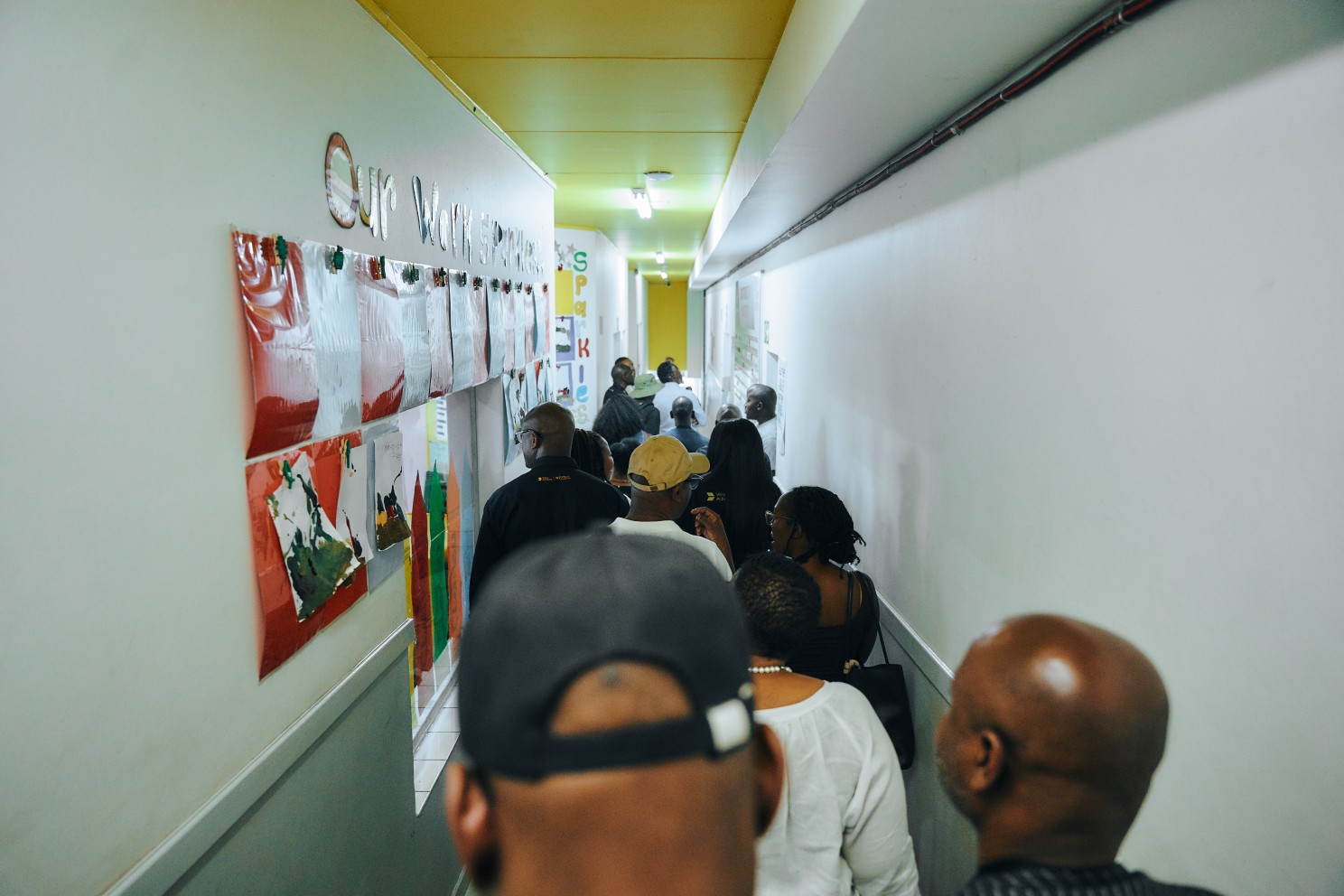
As Ms Hlapolosa aptly reminds us, Delegates touring the Phutaditjaba Community Centre in Alexandra, a proud beneficiary of funding from the NLC.”Growth without governance is a gamble we cannot afford to take.”
The challenge now is to ensure that Africa’s gaming boom does not simply enrich a few but empowers the many, turning a moment of digital disruption into a movement for social justice.

Leave a Reply