
Article by: Somila Lehloesa
October 21, 2025
It’s said that the average person passes by hundreds of people every day. On a train commute, that number is in the thousands. At the mall, it multiplies. Even in our neighbourhoods, whether walking or driving, we brush past countless lives in a single day.
What’s the lesson here? Experience.
And what experience tells us is sobering: among the people we encounter daily, many are silently carrying the weight of financial ruin, broken relationships, and addiction. Gambling addiction in particular is one of the hidden struggles in our communities and when combined with alcohol, the risks deepen.
A Rising Crisis
Research in Limpopo shows that 28.3% of gamblers are at high risk, with alcohol abuse increasing the odds of problem gambling almost seven-fold. Nationally, 65.7% of South Africans engage in gambling activities, and 31% display problem gambling behaviors. Gambling now accounts for 55% of household spending on recreation, sport, and culture, or 1.6% of total household expenditure, ranking twelfth in the national consumer price index basket.
In 2024/25, the South African Responsible Gambling Foundation (SARGF) reported over 4,100 treatment referrals, a 40% increase from the previous year. 35% of those seeking help for gambling addiction are unemployed, many reliant on social grants, while others face co-occurring challenges with alcohol use disorder and mental health.

Why Awareness is Limited
Despite these alarming numbers, gambling addiction often remains overlooked. Misconceptions and fallacies cloud awareness:
- Normalization of Gambling: Many view it as harmless entertainment, not recognizing the path to addiction.
- Stigma and Shame: Societal judgment discourages individuals from seeking help.
- Lack of Knowledge: Signs of gambling addiction and available resources remain poorly understood.
These blind spots allow the crisis to grow quietly, affecting individuals, families, and communities alike.
Role And Commitment
As we mark Mental Health Awareness Month, the focus is on the intersections between gambling, alcohol, and mental well-being. The growing prevalence of gambling addiction in South Africa is a social challenge that requires collective awareness, accountability, and action from both the industry and communities.
The approach is rooted in a dual focus: prevention and support. On the prevention side, collaboration with regulators, industry stakeholders, and partners such as the Responsible Gambling Foundation helps to promote responsible gaming practices, educate the public, and ensure that policies address the realities of addiction in all its forms. This includes highlighting the increased risk posed when gambling is combined with alcohol consumption, and advocating for measures that protect vulnerable individuals before problems escalate.
Equally important is support for those affected. There is a strong emphasis on ensuring access to treatment, counselling, and guidance for individuals struggling with gambling addiction and related challenges. By connecting support services with those who need them, the goal is to make help both available and approachable, while breaking down stigma.
Through these efforts, the conversation around gambling shifts from one of judgement or neglect to one of shared responsibility. Gambling addiction is not just an individual issue, it is a community issue. When left unaddressed, the consequences ripple through families, workplaces, and society at large. By fostering a culture of care, all stakeholders are encouraged to see the faces behind the numbers and respond with understanding, guidance, and action.

Call to Action
The people we pass every day are not strangers, they are individuals whose stories matter. They deserve safety, understanding, and hope. Mental Health Awareness Month reminds us that awareness alone is not enough; it is our collective responsibility to act, to support, and to advocate for change.
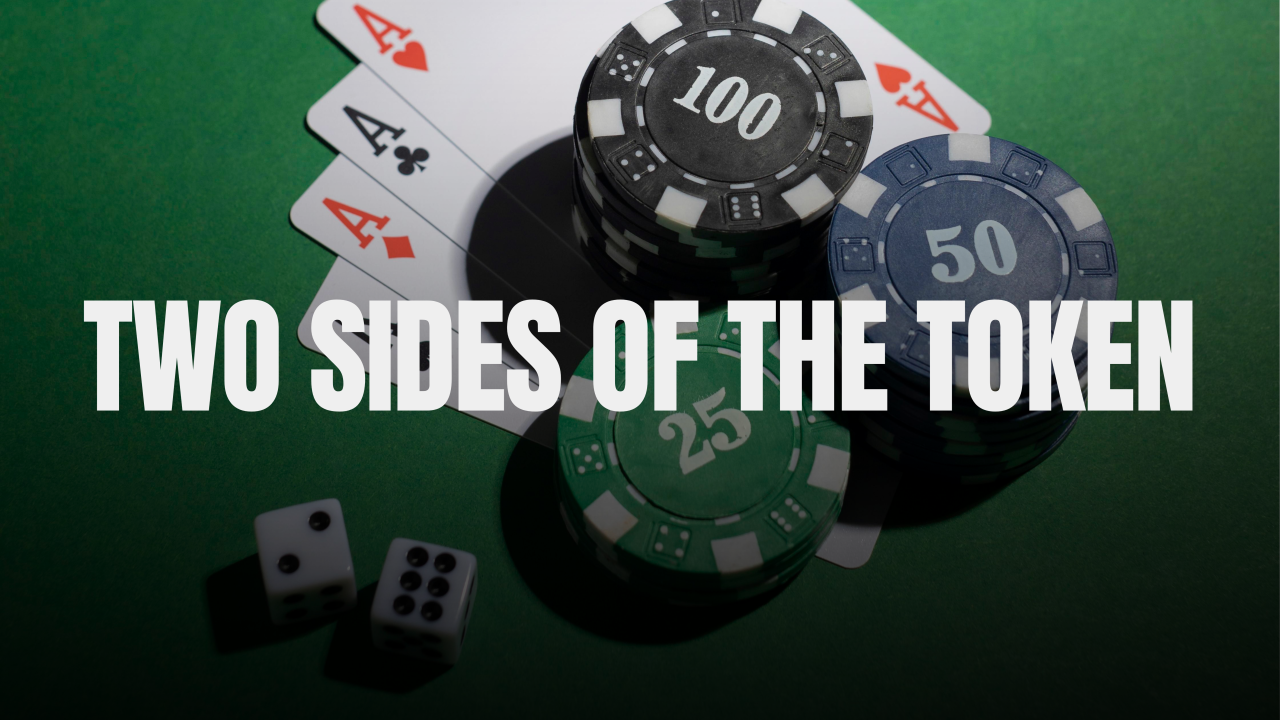
The industry, communities, and individuals are invited to work together to create safer gaming environments, promote public education, and support those affected by gambling addiction. Together, statistics can become stories of resilience and recovery, ensuring that every token in the gaming space has two sides: entertainment and responsibility, balanced by care, accountability, and compassion.

Leave a Reply